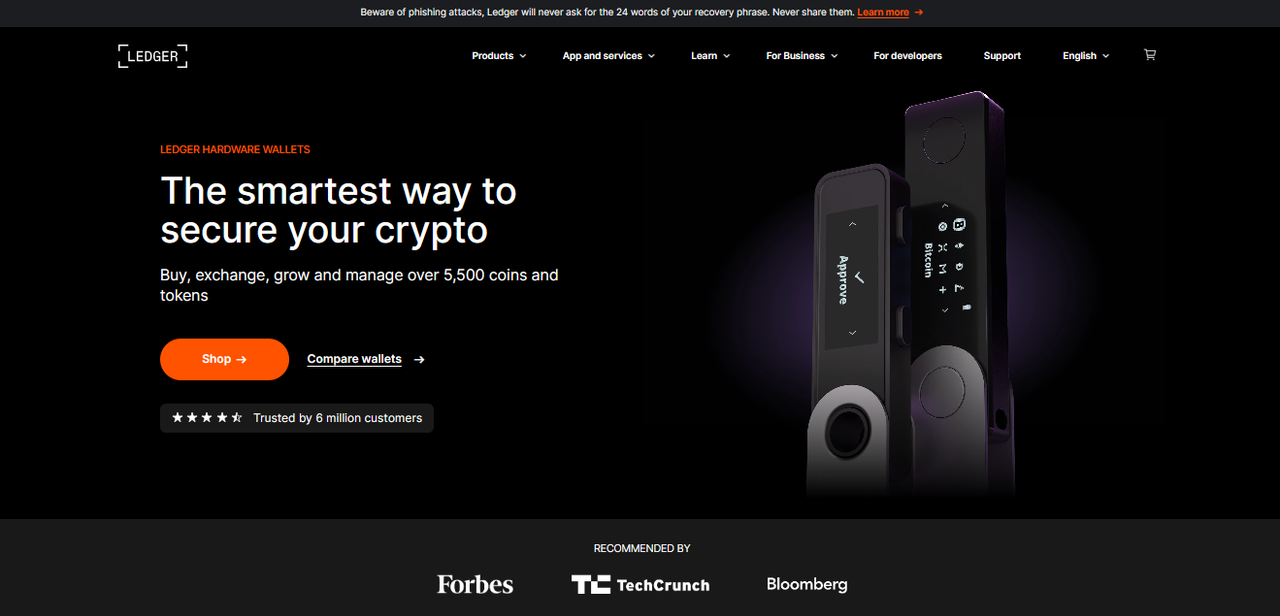
Secure Your Crypto Journey: A Beginner’s Guide to Ledger Hardware Wallets
The world of cryptocurrency is exciting, fast-paced, and full of opportunities. However, with great opportunity comes great responsibility—especially when it comes to securing your digital assets. Cryptocurrency theft and hacking are real risks, and relying solely on exchanges or online wallets leaves your funds vulnerable. That’s where Ledger, one of the leading names in hardware wallets, comes into play. Ledger provides a secure, user-friendly solution for protecting your crypto investments. This guide will help you get started with Ledger and take control of your digital assets safely.
What is a Ledger Wallet?
A Ledger wallet is a hardware wallet designed to store your cryptocurrency private keys offline, away from potential hackers. Private keys are the critical codes required to access and move your crypto funds. If someone gains access to them, they can steal your assets. Ledger hardware wallets, such as the Ledger Nano S and Ledger Nano X, prevent this by keeping the keys on a physical device that never connects directly to the internet.
Using a Ledger wallet means your crypto stays in cold storage, protected from online attacks. Ledger devices also verify every transaction physically, so even if your computer is compromised, your funds remain secure.
Why Choose Ledger?
Security is the primary reason users choose Ledger, but the benefits go beyond that. Here’s what makes Ledger stand out:
- Top-Level Security
Ledger wallets use a secure chip (similar to what banks use in credit cards) to store private keys. Transactions are confirmed on the device itself, meaning hackers cannot access your funds remotely. - Support for Multiple Cryptocurrencies
Whether you hold Bitcoin, Ethereum, or thousands of other coins and tokens, Ledger supports a wide variety. This makes it an ideal solution for users with diverse portfolios. - User-Friendly Interface
Ledger devices are designed with usability in mind. Ledger Live, the official desktop and mobile app, guides you step by step through setup, sending, receiving, and managing crypto. - Backup and Recovery
Ledger wallets provide a 24-word recovery phrase during setup. This phrase lets you restore your funds if the device is lost, stolen, or damaged. Properly storing this phrase is crucial for your security. - Portability
The devices are compact and easy to carry. You can securely manage your crypto on the go without sacrificing safety.
Step 1: Choosing the Right Ledger Device
Ledger offers two main hardware wallets:
- Ledger Nano S
The Nano S is a compact, affordable wallet suitable for beginners. It supports most major cryptocurrencies and offers essential security features. Its small storage capacity for apps makes it ideal for users with a few coins. - Ledger Nano X
The Nano X is the advanced option, featuring Bluetooth connectivity, larger storage for multiple apps, and a bigger screen for easier navigation. It’s perfect for users with larger portfolios or those who want mobile convenience.
Your choice depends on your needs: the Nano S is excellent for beginners, while the Nano X is better for experienced users managing multiple assets.
Step 2: Setting Up Your Ledger Wallet
Setting up your Ledger wallet is straightforward. Here’s a step-by-step guide:
- Unbox and Connect the Device
Ledger devices come with a USB cable and instructions. Connect it to your computer or smartphone. - Install Ledger Live
Ledger Live is the official app for managing your crypto. Download it from Ledger.com/start for Windows, macOS, Linux, iOS, or Android. - Initialize Your Device
Follow the app instructions to set a PIN for your wallet. This protects your device from unauthorized access. - Backup Your Recovery Phrase
Ledger will generate a 24-word recovery phrase. Write it down on the card provided (or another secure medium) and store it safely offline. This phrase is your lifeline if the device is lost or damaged. - Install Cryptocurrency Apps
Using Ledger Live, install apps for the coins you want to store. For example, install the Bitcoin app to manage BTC or the Ethereum app for ETH and tokens.
Step 3: Sending and Receiving Cryptocurrency
Once your wallet is set up, you can begin using it to manage crypto safely:
- Receiving Crypto
Open Ledger Live, select the cryptocurrency you want to receive, and generate a receiving address. Share this address with the sender. The funds will appear in your wallet once confirmed on the blockchain. - Sending Crypto
To send crypto, enter the recipient’s address in Ledger Live, specify the amount, and confirm the transaction on your Ledger device. This physical confirmation ensures that no malware on your computer can alter the transaction. - Portfolio Management
Ledger Live allows you to track your balances, view transaction history, and even stake supported assets. It’s a central hub for monitoring and managing your crypto.
Step 4: Maintaining Security
Even with a Ledger wallet, good habits are essential:
- Protect Your Recovery Phrase
Store your 24-word recovery phrase offline, away from prying eyes. Never save it digitally or share it with anyone. - Regularly Update Ledger Live and Firmware
Ledger frequently releases updates to fix bugs and improve security. Always keep your software and device firmware up to date. - Enable Passphrase (Optional)
You can add an extra passphrase to further protect your wallet. This creates a “hidden” wallet accessible only with the passphrase. - Be Wary of Phishing
Only use official Ledger apps and websites. Ledger will never ask for your PIN or recovery phrase online.
Conclusion
Ledger hardware wallets provide a powerful combination of security, usability, and versatility. They are ideal for anyone looking to protect their cryptocurrency from hacks and online threats. By choosing the right device, following proper setup steps, and practicing safe security habits, you can confidently manage your crypto investments. Starting with Ledger is more than just buying a device—it’s taking control of your digital future and ensuring your crypto journey is safe and worry-free.